
For the creation of intricate 3D assets it was essential to invest in expensive software and hours of manual work. Designers had to create geometry, refine textures, and fine tune models meticulously before they could be ready to be put into production. Artificial intelligence has revolutionized the process drastically. Modern tools allow you to create a 3D-model from images quickly. This helps make 3D design more accessible for professionals, businesses and beginners.
3D AI Studio demonstrate how much this technology has improved and has simplified tools that enable creators to move from concept to final model in less than the time normally required.
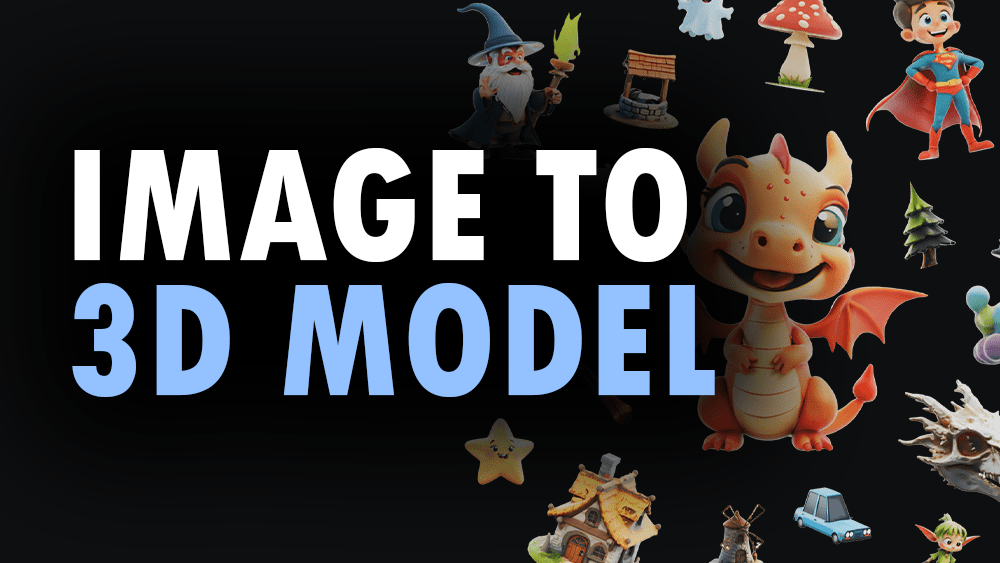
Rapid 3D Creation is in High Demand
There are many industries that have a rising need for 3D-quality content. Gaming, product design, architecture, film, and even e-commerce all depend on real-life visual assets to effectively communicate ideas and to attract the attention of viewers. With the increasing demand teams are looking for speedier ways to make models that do not compromise quality.
AI-powered workflows and images to 3D models that are free of charge play a significant role in this. Instead of starting with complex modeling software, creators are able to upload a photo and have artificial intelligence analyze textures, shapes, and edges. The system will then transform the visual information into a useful 3D structure.
This method allows for more experimentation and cuts down on the amount of time needed to build assets.
Photo-to-3D Technology – How it is used
When a photo to 3D model process starts AI analyzes the photo in depth. It detects patterns, estimates the distance, and reconstructs objects in three dimensions. The models are created by using sophisticated algorithms that have been trained on vast datasets.
This technology is particularly beneficial to speed up prototyping. Designers can capture a photograph of their sketch or physical object and transform it into a model that they can enhance. Developers can also create placeholder assets quickly, which allows them to try out environments or layouts before spending time on highly intricate modeling.
Platforms that offer tools like 3D AI Studio often include options that automatize other processes like texturing and mesh optimization, making the final product suitable for use in real-world situations.
Benefits to Business and Creators
One of the biggest advantages of picture to 3D model technology is accessibility. AI-powered tools permit greater involvement within 3D design. Traditional modeling requires years of experience.
Efficiency is yet another major advantage. Automated creation of textures and retopologies make repetitive tasks easier and enable creators to focus on design and creativity instead of technical procedures. Rapider production processes result in faster delivery of projects and lower costs.
The marketing team can create visual content quicker, and educators can design interactive learning resources and product designers are able to present prototypes earlier on in the development.
Achieve Streamlined Workflows by Using Flexible Export Options
Modern AI-based platforms aid in manage models and create them. Asset libraries allow users to store and organize their projects in a systematic manner that makes it easier to find files and manage various versions.
Compatibility is just as important. An image that is 3D can be exported in a variety of formats, allowing smooth integration with game engines, rendering tools, or 3D printing systems. This flexibility ensures that generated assets can be used in a wide range of workflows for professionals.
Take a Look: AI-driven 3D Design for the future
Artificial intelligence is improving quickly, and the possibilities for 3D creation are expanding. The future tools will be able to create complex environments and models and also automate additional steps in the production process.
Platforms such as 3D AI Studio will continue to evolve and give creators more control, flexibility, and speed when creating digital assets.
Conclusion
Design is changing with the possibility of turning photos into realistic digital items. With tools that can support image-to 3D model free workflows, making a photo into 3D model or a picture to a 3D model has become practical simple, fast, and easy.
The capability to create the 3D image from a picture will become a major part of design in the future. It will allow designers to develop their designs faster and more efficiently.