
Retaining wall blocks transcend their utilitarian ancestors, becoming the maestros orchestrating the canvas of outdoor space. They’ve evolved into flexible elements that seamlessly blend functionality and aesthetics, becoming an essential design element in modern landscapes. This article explores retaining wall blocks and their numerous benefits and the ways they can be utilized to enhance outdoor spaces.
The retaining wall block has the potential to redefine traditional hardscape elements. It comes in a wide range of sizes, colors and shapes. This allows property owners to express unique visions of their aesthetic. They are available in different materials, including the natural elegance of stone and the durable embrace concrete. Landscape architects regard them as the ideal way to create an aesthetically pleasing outdoor space that reflects the individuality and distinctiveness of the surroundings.
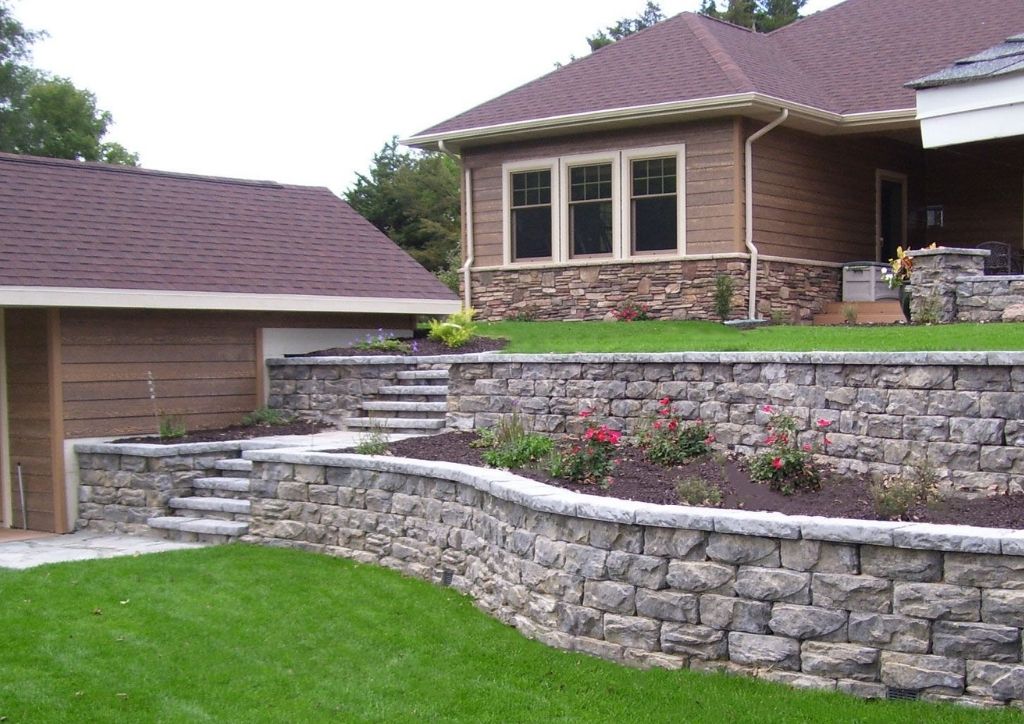
Beneath the Surface Allure: Guardians of Stability
Retaining wall blocks provide many benefits that go beyond their beauty. As stalwart guardians against erosion in soil, they take on the position of custodians, conserving the natural beauty of landscapes, and protecting outdoor spaces from destructive water runoff. These blocks give stability to uneven or sloped terrains. They transform uneven landscapes into sanctuaries that are level and suitable for a tranquil outdoor environment and flourishing gardens.
For property owners seeking to improve their landscaping without spending a fortune, retaining wall blocks emerge as a wise and economical option. The ease of installation and low maintenance requirements allow retaining wall blocks to be an economical solution. They are not just visually appealing but also provide an extremely durable and sturdy walls without sacrificing aesthetics. For more information, click Concrete Retaining Wall Blocks
Versatile Sculptors: Defining Outdoor Living Areas
Retaining wall blocks transcend their functional role, evolving into sculptors that define and divide outdoor living spaces. Property owners can create zones for various activities, such as outdoor dining, lounging or gardening, by strategically integrating walls with retaining blocks. These blocks can also be used as an element of design to create privacy barriers as well as highlights landscape features, like sculpture gardens, or water features.
The ability to stack precast concrete landscaping blocks is among the best attributes. They can support up to three courses in height before needing geogrid reinforcement to strengthen the soil beneath them. As walls increase in size, larger sizes are required for greater strength and stability. Meticulously designed for seamless interlocking blocks, they provide a structurally sound foundation to landscaping plans. Geo-grid reinforcements have been incorporated to ensure long-term durability and toughness. They protect the retaining wall against soil pressures.
Selecting the Right Block for the Right Ambiance
When selecting retaining wall blocks You must take into consideration the size, shape, and the color of each block in relation to the outdoor setting. The decision to build retaining walls is determined by practical aspects like height and retention. This thoughtful selection improves the overall design by guaranteeing stability and visual harmony.
Conclusion: A Symphony of Resilience
In the final analysis, retaining wall blocks are transformative elements in landscape design, and contribute to the sustainability and resilience of landscaping practices. These unassuming blocks, with the endless design possibilities as well as their ability to stabilize and ensure the protection of living spaces, become silent sentinels redefining outdoor space and weaving a story of harmony and timeless across the landscape. From aesthetics to practical fortitude, retaining wall blocks are the masters who create nature’s symphony outdoors.