
A big contract is won by a manufacturer. While the demands for production have increased, the factory does not have an increase in flooring or experienced workers. A second shift may help temporarily, but it could also introduce new labor, training, supervision, and quality-control requirements.
Situations like this reveal an important function of robotic automation. Robotics isn’t only about replacing a person with a machine. It’s a tool that can modify the methods that manufacturers employ to use their production capacity.
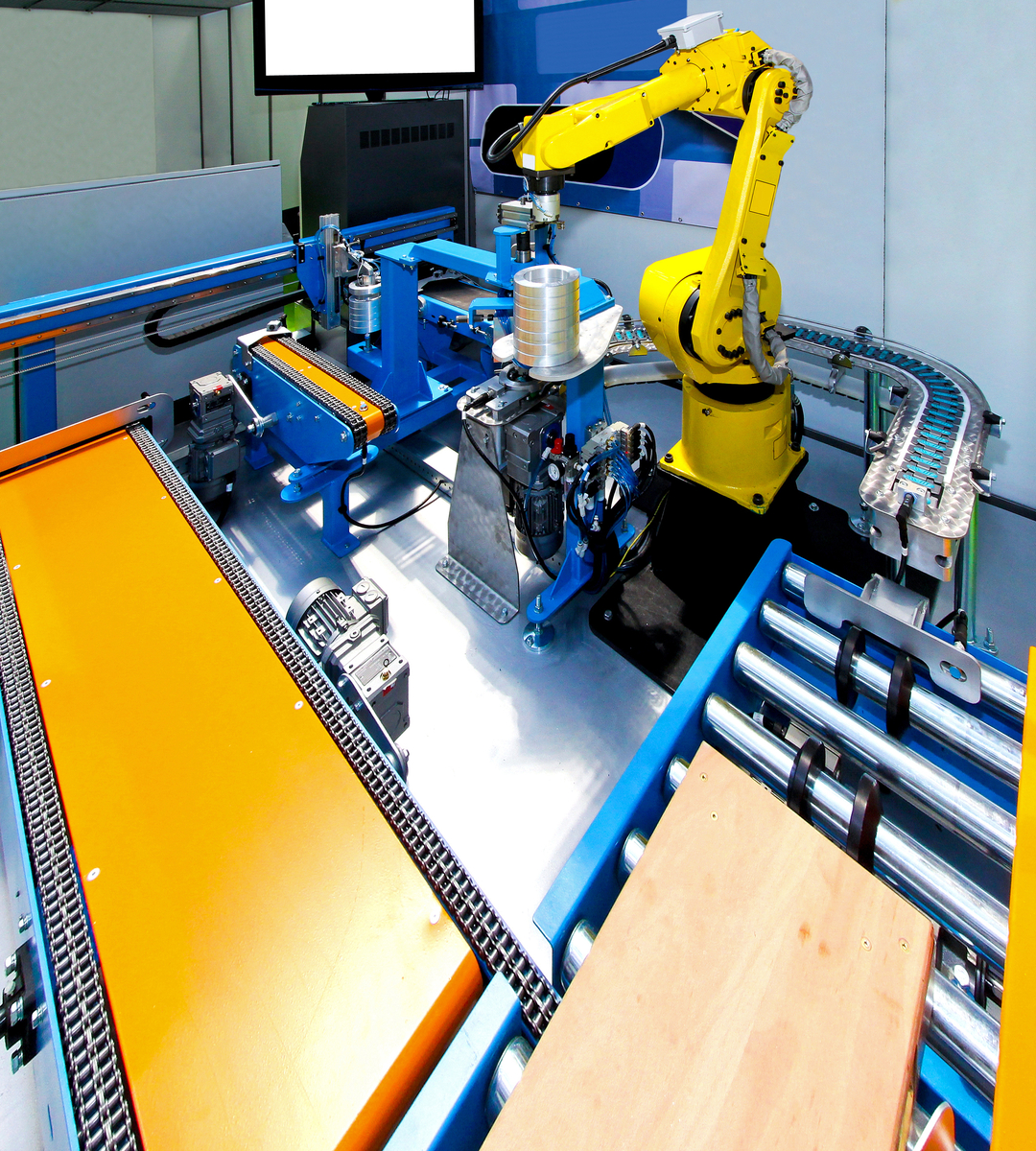
Image credit: automatedsolutions.com.au
Examine the Seconds That disappear between products
Inefficiency in manufacturing doesn’t need to be a major issue. An operator may spend 15 seconds positioning the component, then 10 seconds applying materials, and then a few seconds more to move it onto the next stage. For a single component, it’s a small difference. If repeated a thousand times, these seconds can increase production by a significant amount.
It’s the same for the waste materials. Multiplying a small amount of additional coatings or dispensing material throughout a massive production line can lead to a significant expense.
Companies considering robotic automation Australia projects can benefit from examining these small, repeated losses before deciding what equipment they need. The analysis by ASA’s experts is designed to pinpoint bottlenecks and quality issues, as along with waste and other constraints during a project.
Robots should be able to fit into the process.
A robot is just one of many engineering choices. The system may also need tooling, guarding, controls, sensors fixtures, conveyors electrical integration, and communication with existing production equipment. Engineers must consider the payload and reach while making decisions about how the robot will move through its space and interact with the environment around it.
ASA offers concept development, system design and offline programming as part of its approach to robotic automation. Digital simulation lets engineers examine configurations and estimate the time-to-market before the system can be put in operation at the customer’s factory floor. This is particularly useful when there are space constraints or if new robotics require to be incorporated into the existing lines of production.
Paint and Dispensing Shows Why Replicability is Essential
The ability to control movement is particularly important in some manufacturing processes. Imagine applying a coating to hundreds of parts. Making components faster is what you want to achieve. The distance, movement speed, and the application must be managed from the beginning of the production process to the point of completion.
The experts at ASA are proficient in painting and dispensing across industries like aerospace and automotive. In these areas industrial robotic automation is able to ensure that the same program is repeated while also reducing employee exposure to physically demanding or dangerous processes.
A better control of waste material can also aid in productivity improvement by reducing the amount of unnecessary material that is consumed.
Even after installation, the system still requires people
Automation does not completely eliminate the need for manufacturing expertise. Automation alters the knowledge required to maintain and operate the manufacturing process.
The employees must know how to safely operate equipment identify abnormal behavior to identify faults, fix them, and perform appropriate maintenance. Programs and processes can be changed later in the event that the production needs are changed.
ASA offers training on site that covers safe operation, programming troubleshooting, and electrical and mechanical maintenance. They also provide servicing and support on a regular basis to assess the condition of equipment and to address issues that may arise during the equipment’s operational duration.
Capacity is more than just working more quickly
An increase in capacity for Australian manufacturers doesn’t always mean buying a bigger building or adding more employees to routine processes. One of the best questions to ask is whether the present production process can still be improved.
ASA has been developing and integrating automation systems in Australia since 2002. We also support projects in other countries. Its method of analysis connects needs, engineering, simulation, FANUC robot integration training, servicing, and maintenance.
Automating for automation’s sake isn’t the goal. A good system will give manufacturers something tangible in return more dependable production with consistent quality, safe procedures, less waste or a larger capacity for the factory it already operates.