
Rarely does a productive garden begin with costly equipment or a beautiful property. It is usually the person who starts with the seeds, and then pay attention to the outcomes. This will help them make better decisions for the next season.
The Sproutstead is a resource for those who wish to understand how to cultivate their own food, improve the soil they cultivate, preserve what harvests, and gain useful self-sufficiency without obscuring themselves in technical terms.
Your Garden has Its Own Set of Conditions
The advice for gardening can be confusing due to the fact that gardens don’t have the same characteristics. A tomato planted in a sun-filled raised bed in one area may behave very differently from the same variety that is grown in a heavy soil elsewhere with a shorter season.
Successful gardening and homesteading therefore involves more than following instructions. Gardeners can benefit from knowing their personal conditions, including sun soil structure, soil structure, rain temperatures, the growing season availability of space, the time they’re able to dedicate to maintaining.
The Sproutstead will explain the different aspects so that readers are able to adapt gardening information to a typical home instead of trying recreate an ideal setting.
Vegetable gardening starts below the surface
People naturally pay attention to plants that they see, but much of a garden’s success is determined in the underground.
A healthy soil requires the right combination of drainage, moisture retention, organic matter and nutrients. Compost is a great way to improve soil over time, and mulching can help preserve moisture and suppress the growth of weeds. By focusing on these essentials, you can make your vegetable gardening easier. This is because improved conditions for growth will provide your plants a strong foundation.
It is also crucial to plan. The spacing of plants, the timing of crops, companion planting, and seasonal succession can determine the efficiency of a gardener’s use of limited space.
Tomatillos Are an excellent example of Paying Attention
Ask 10 gardeners about tomatoes, and you’ll likely be told a number of different stories. They’re among the most adored backyard crops, yet they also illustrate how a variety of cultivars work in tandem.
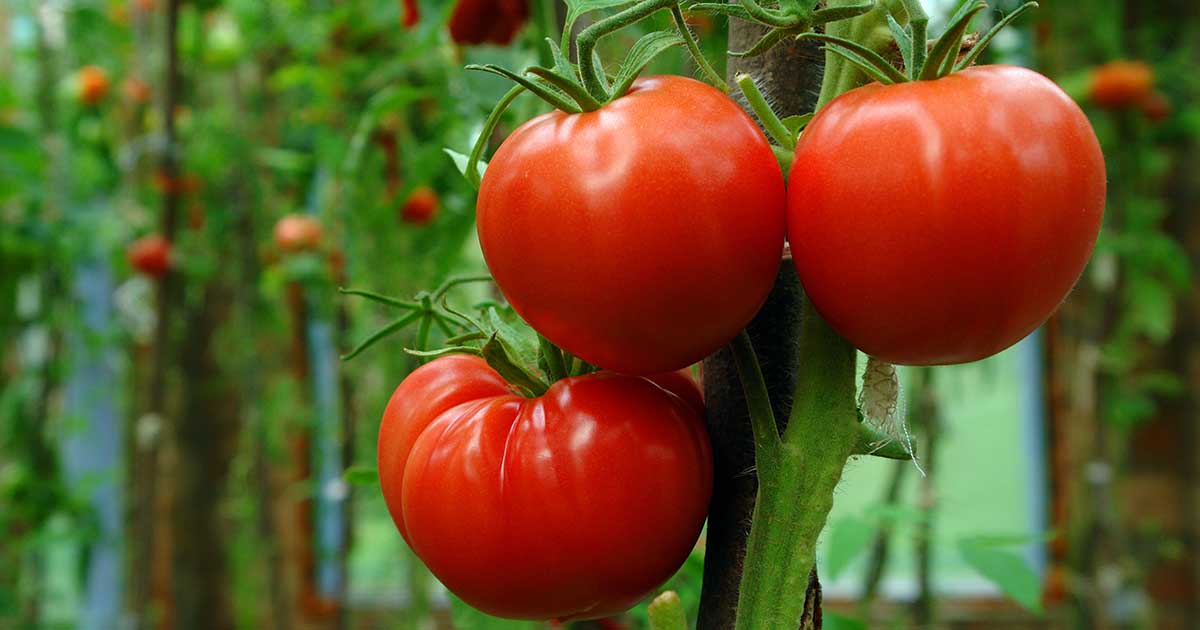
Anyone who is interested in how to grow tomatoes must look beyond the the depth of planting and fertilizer schedules. To grow tomatoes, they require enough sunlight, consistent watering, adequate spacing, suitable soil and support when they mature. It is vital to choose the most suitable tomato because the growing conditions along with the space available and the intended use can all affect what tomato is most suitable.
It may not be possible to solve the problem by adding fertiliser. Excess nitrogen, temperature, insufficient sunlight, or pollination conditions could be the cause. It is better than treating just one indication.
The Story of a Harvest is Not Complete
Producing 20 pounds of vegetables will be less enjoyable if half of them are rotten before they’re eaten. After harvest, a thoughtful way to grow your own vegetables at home is to consider the whole process.
Canning or freezing, dehydrating sharing leftover produce, and even saving seeds will assist families in getting the most value from their gardens. The composting process, backyard chickens fruits trees, and herbs can all be added to the family system.
No one needs to adopt all of the homesteading methods at once. It’s essential to continue your homesteading journey, whether it’s growing lettuce, creating a compost pile or preserving the first batch of tomatoes.
Gardening is easy with the right information
Even the best gardening instruction can’t guarantee perfect plants. Weather changes, pests appear and seeds fail from time to time, and suggestions vary based on the region.
The Sproutstead thinks of these issues as part of learning rather than exceptions to it. The Sproutstead connects topics like soil, seeds, and vegetables beginning with self-sufficiency, pests (backyard chickens) preservation, and backyard chickens. Readers can learn to not only garden but also why.
It is recommended to construct an efficient garden in similar to how plants grow: seasonalally, gradually, and from a strong foundation.